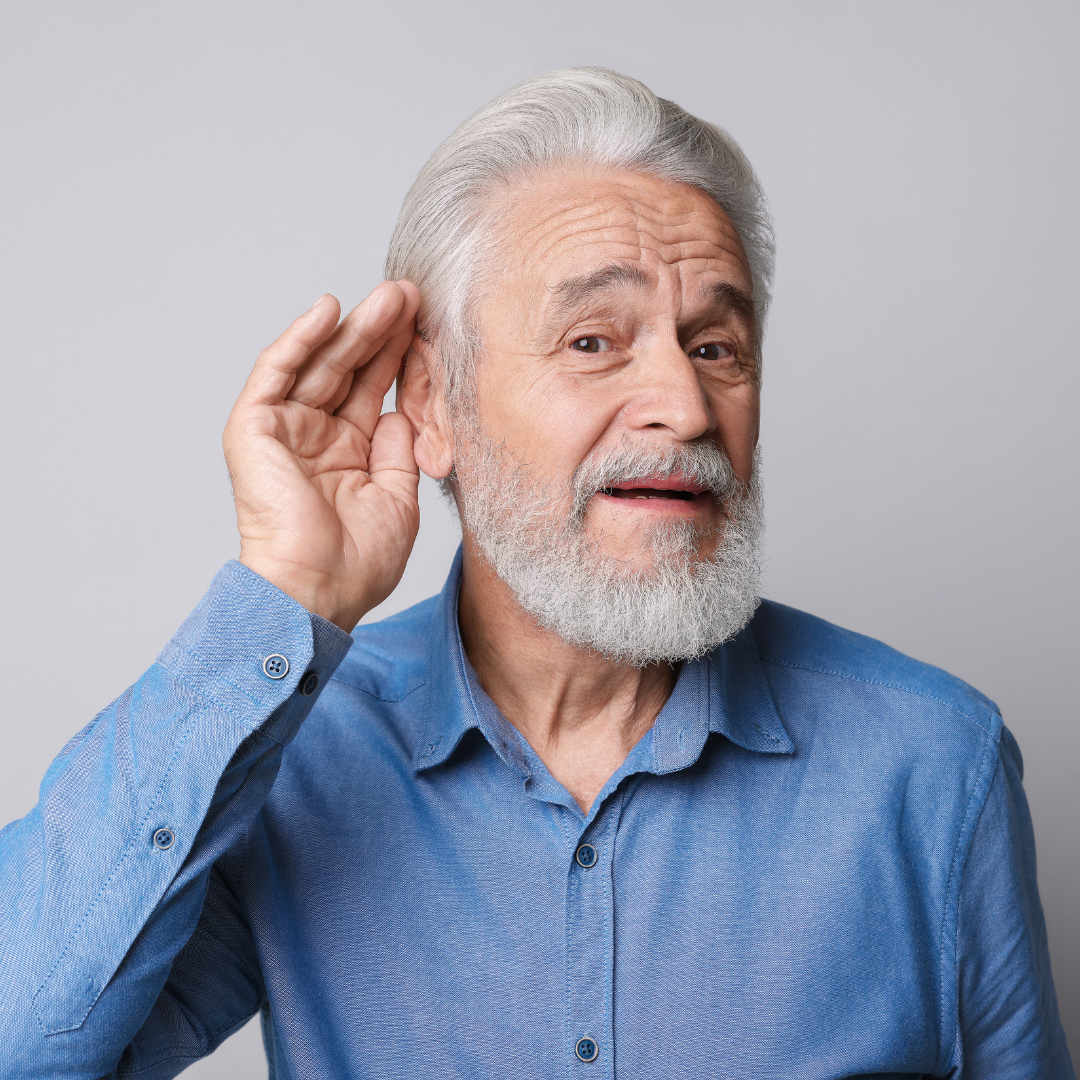
A rapid drop in hearing in one ear can cause immediate fear and leave patients confused regarding the appropriate next steps. We deliver urgent diagnostic hearing tests and partner with otolaryngologists to ensure comprehensive medical intervention when hearing drops rapidly. A sudden hearing loss always warrants immediate assessment by a hearing specialist to evaluate therapeutic options or personalized rehabilitation.
Is Sudden Unilateral Hearing Loss an Audiological Emergency?
Indeed it is. A sudden hearing loss affecting one ear must be addressed as a true medical emergency, especially if it unfolds across hours or several days. Often designated as sudden deafness, sudden sensorineural hearing loss reflects damage to the inner ear cochlea or the acoustic nerve. The episode frequently strikes without pain, making it easy to dismiss as seasonal allergies, sinus pressure, or a clogged ear.
Clinical presentations often involve:
- A sharp, noticeable drop in auditory volume or speech clarity in one ear
- Difficulty hearing through one ear during a phone call
- An acoustic pop or distinct feeling of canal fullness heralding the auditory change
- New ringing, buzzing, or roaring in the affected ear
- Onset of rotational vertigo, postural instability, or general disequilibrium
Do not adopt a wait-and-see strategy hoping the auditory deficit corrects itself. Reach out immediately to our audiology office, an urgent care facility, or an otolaryngologist for same-day evaluation.
The Urgency of Immediate Professional Evaluation for Sudden Deafness
Early clinical intervention is crucial because treatment protocols for sudden sensorineural hearing loss are far more successful when commenced right away. We must immediately determine if the loss is conductive—stemming from earwax blockage or middle-ear pathology—or sensorineural, signifying inner ear or neural involvement. Both conditions produce overlapping sensations of aural fullness and hearing loss, but their clinical interventions are entirely divergent.
A thorough physical ear inspection combined with a diagnostic hearing test isolates the exact type, audiometric shape, and severity of the loss.
Obtain urgent emergency medical evaluation without delay if sudden hearing loss is accompanied by:
- Sudden facial droop, hemi-facial paresis, or sensory numbness
- Speech slurring, expressive language difficulty, mental confusion, or an acute severe headache
- Double vision, fainting, or difficulty walking
- Crushing chest pressure or other life-threatening medical signs
Such clinical findings often indicate an urgent vascular or central neurological emergency that cannot wait for an outpatient appointment.
Potential Etiologies of Sudden Sensorineural Hearing Loss
In approximately ninety percent of sudden sensorineural hearing loss presentations, no single definitive cause is ever confirmed. When a cause can be identified, it may involve inflammation, injury, circulation, the immune system, or another condition affecting the inner ear or auditory nerve.
Documented causes of this condition include:
- Viral cochleitis or secondary bacterial infections
- Mechanical head injury or sudden exposure to high-intensity blast noise
- Underlying autoimmune conditions attacking cochlear tissue
- Ingestion of ototoxic pharmaceuticals known to compromise inner ear structures
- Localized microvascular occlusions or compromised blood circulation
- Structural inner ear diseases, notably symptomatic Ménière’s disease
- Central nervous system conditions, such as progressive multiple sclerosis
- A benign tumor, such as a vestibular schwannoma, compressing the vestibulocochlear nerve
Given that subjective symptoms cannot distinguish between these conditions, rapid clinical evaluation and audiologic testing are vital.
Clinical Treatment Protocols for Sudden Sensorineural Hearing Loss
Systemic or topical corticosteroids represent the standard clinical intervention for idiopathic sudden sensorineural hearing loss. Steroid medications can be administered as an oral taper or delivered via intratympanic injection through the eardrum directly into the middle ear space to diffuse into the cochlea. Our clinical team outlines therapeutic options tailored to your specific case, factoring in symptom latency, severity of the loss, comorbid medical conditions, and medication tolerances.
Corticosteroid therapy is standardly initiated within the first two weeks post-onset, making it vital to commence treatment as early as clinically feasible. Serial intratympanic steroid injections can also be utilized as a secondary salvage therapy if initial oral treatment achieves incomplete recovery. For qualifying clinical cases, an ENT physician may evaluate hyperbaric oxygen therapy (HBOT) administered concurrently with high-dose steroids.
Can Sudden Hearing Loss in One Ear Go Away on Its Own?
Sudden sensorineural hearing loss can improve without treatment. Literature indicates that approximately 50 percent of patients recover some or all hearing spontaneously, frequently within the first one to two weeks. Yet, no reliable clinical markers exist at presentation to identify who will recover, how much hearing will be restored, or if recovery will remain stable.
Relying on the chance of spontaneous improvement is never a valid justification for delaying immediate medical care. Postponing evaluation for multiple weeks severely diminishes the likelihood of reversing permanent auditory damage, permanently closing the treatment window. Clinical outcomes encompass total functional recovery, partial restoration of thresholds, or minimal auditory change.
Rehabilitation Options for Treatment-Resistant Sudden Hearing Loss
If the affected ear does not regain full function, subsequent steps hinge on residual hearing levels, word-recognition clarity, and the exclusion of structural pathology. Our clinicians frequently recommend diagnostic MRI imaging or specialized auditory brainstem response testing to evaluate the hearing nerve and surrounding anatomy.
Ongoing rehabilitative technologies include:
- Fitting a traditional hearing aid whenever the affected ear possesses aidable hearing capacity
- Implementing a CROS system that wirelessly beams sound from the unaidable ear to the better ear
- A surgical or non-surgical bone-conduction device for medically appropriate clinical candidates
- A cochlear implant for qualifying cases of single-sided deafness
- Specialized assistive listening devices (ALDs) to support communication during professional, educational, or social demands
Targeted audiologic rehabilitation provides strategies to manage cognitive listening exhaustion, impaired sound localization, and interpersonal communication hurdles. The most suitable option depends on the hearing test results, daily needs, health history, and personal preferences.
Schedule an Urgent Hearing Assessment
Should your hearing acuity decline abruptly today or over recent days, pursue immediate same-day clinical guidance rather than booking a routine appointment. Our clinical team will administer diagnostic hearing tests, analyze interaural differences, evaluate symptom onset chronology, and coordinate with an otolaryngologist or medical team immediately.
Contact us to request a prompt hearing appointment.