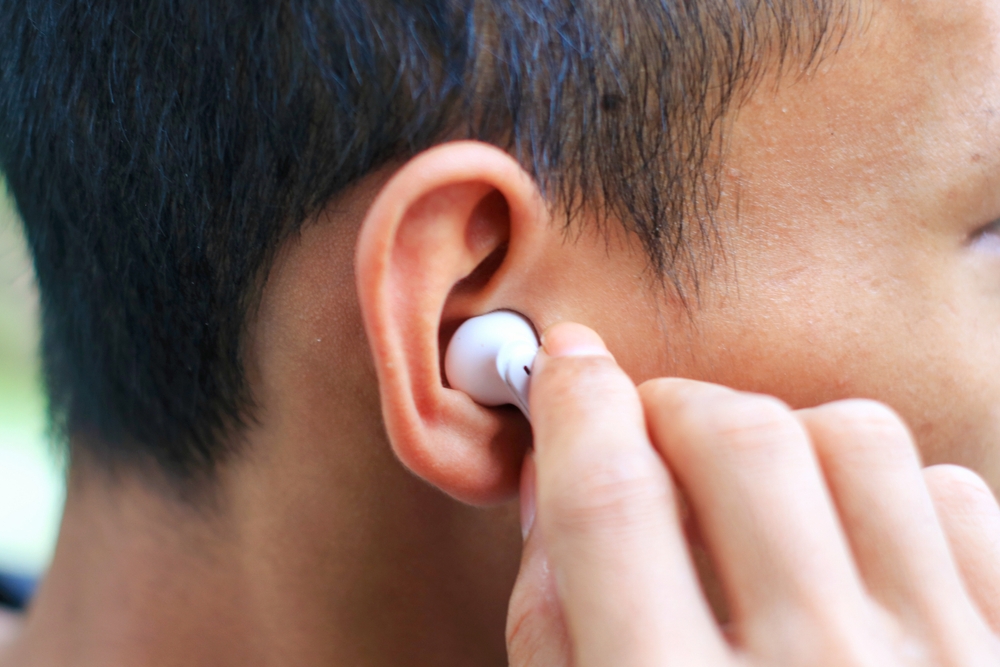
It is increasingly uncommon to observe a young adult in a public setting without an earbud in place. While traditional headphones are more substantial in size, adolescents frequently utilize them to create a private acoustic environment. We all enjoy listening to music, no matter our age, but younger people rely on music to pass the time. So, can headphones cause hearing loss since they are so close to our ears? The danger is not inherent to the technology but is instead a product of specific usage habits.
Too Much of a Good Thing
Acoustic stimuli can act as a sedative, an emotional balm, or a powerful stimulant depending on the tempo. The outcome is entirely dependent on the genre and frequency of the audio. Utilizing personal audio devices is considered a social courtesy, allowing for private enjoyment in communal spaces. This is a widely appreciated social habit that helps maintain a respectful atmosphere in shared transport settings.
The primary clinical concerns center on the precise limits of sound pressure and the length of the listening session. In reality, excessive sound pressure is universally hazardous to the delicate structures of the cochlea. If you maintain a high volume for a long period, you risk destroying the hair cells in your inner ear. Because auditory decline is often a slow, cumulative process, the damage is frequently advanced before symptoms are noticed.
The Biological Impact of High-Intensity In-Ear Audio
The intensity of the decibels is the leading risk factor for permanent auditory trauma. Nevertheless, the timeframe of the sound exposure is just as critical a factor as the intensity itself.
- The National Institutes of Health (NIH) recommends listening at below 70 decibels. Even after long exposure, you won’t have any hearing loss.
- There is a direct correlation between increased sound pressure and the speed of hearing degradation.
- Audiologists recommend the 60/60 rule: stay below 60% of max volume and limit sessions to one hour.
- Protect your hearing by turning down the volume on your device and limiting your exposure.
Red Flags: When to Suspect Hearing Impairment
If you commonly hear muffled sounds, find it difficult to understand conversations in noisy places, have ringing in your ears (tinnitus), and frequently ask people to repeat what they said or to speak louder, it’s time to have a hearing exam with a professional.
Contact our office today if you suspect you may have hearing loss.