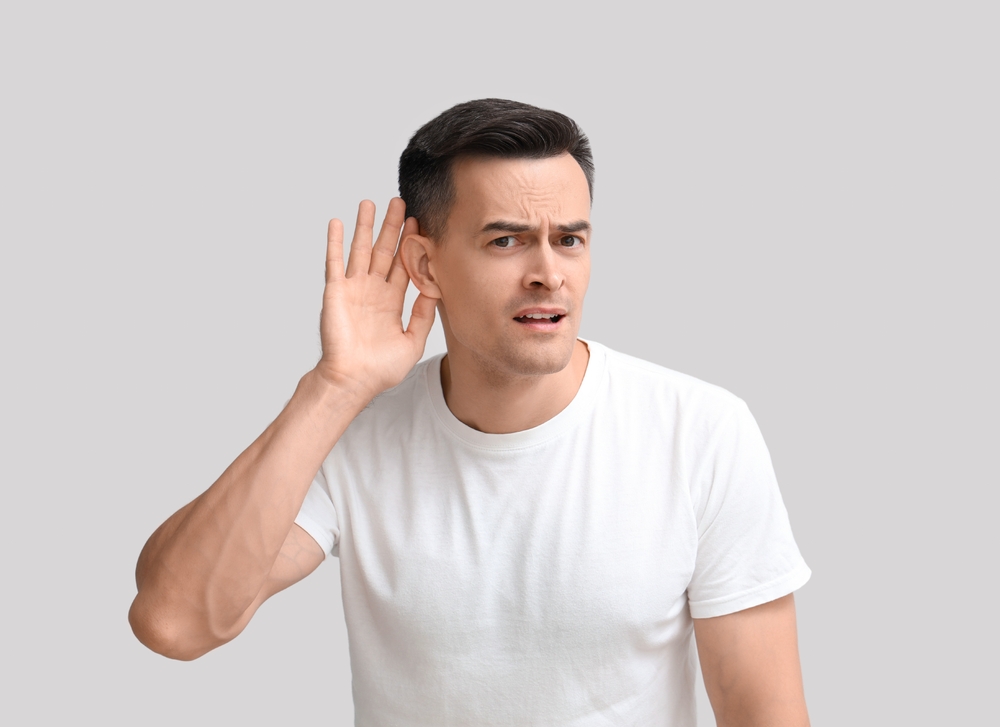
Do you often experience profound mental depletion following extended dialogue or crowded social events?
You may assume you’re just tired, stressed, or overwhelmed. And it’s true that for introverts or people with sensory issues, social situations can be exhausting. In many instances, this persistent drain is the result of a condition called auditory fatigue.
This condition manifests when the brain’s auditory cortex is forced into an overactive state to interpret sound. If auditory input is degraded, the brain must engage in constant phonemic restoration to bridge the gaps in speech. Accumulated listening strain eventually manifests as the profound exhaustion associated with auditory fatigue.
Many people mistake auditory fatigue for ordinary tiredness. In many cases, persistent fatigue serves as a diagnostic “red flag” for early-onset hearing impairment. A comprehensive assessment can help determine whether hearing loss is contributing to your symptoms. If this cycle of exhaustion is recurring, consult an audiologist to investigate the influence of hearing loss.
Identifying the Core Drivers of Listening Exhaustion
Multiple variables contribute to heightened cognitive demand during sound processing, elevating the risk of auditory fatigue.
Untreated Hearing Loss
Failing to address hearing loss is a major factor in the development of persistent auditory fatigue.
When acoustic signals are incomplete, the brain engages in heavy “top-down” processing to reconstruct speech. Relying on context rather than clarity places an unsustainable burden on the brain during everyday conversations.
How Background Noise Triggers Fatigue
Busy environments can worsen auditory fatigue. Environments with significant background chatter make it difficult for the brain to isolate and prioritize relevant audio signals.
Processing concurrent audio streams requires the brain to perform intense “auditory scene analysis” to find the primary speaker. This process can create cognitive overload, especially for people with hearing loss (even mild cases).
How Internal Noise Increases Listening Effort
Tinnitus, often described as ringing or buzzing in the ears, can also contribute to listening fatigue because the brain must process external sounds and internal noise signals simultaneously.
A distorted acoustic signal acts as a “broken link,” requiring the brain to expend extra energy to fix the data in real-time.
Common Signs of Auditory Fatigue
Symptoms of auditory fatigue typically bridge the gap between mental clarity and physical stamina. Patients often present with the following indicators:
- Feeling mentally drained after conversations
- Difficulty concentrating during meetings or group discussions
- Development of “listening headaches” after long social events
- A sense of agitation triggered by difficult listening conditions
- A tendency to “tune out” or physically leave social gatherings
- The need for a “quiet recovery period” following social exposure
If these symptoms occur frequently, it may indicate that your ears and brain are working harder than they should.
Why Hearing Loss Makes Your Brain Work Harder
Clear auditory input allows the brain to interpret sound with virtually no conscious effort. Conversely, hearing loss forces the brain to redirect energy from other executive functions to assist in sound decoding.
This state of over-exertion is technically referred to as an elevated cognitive load. The brain is forced to sacrifice higher-level thinking to manage the low-level task of hearing sound. Over time, this extra effort can leave you feeling mentally depleted. The effort required for even a 10-minute talk becomes disproportionately high.
How a Hearing Test Can Identify the Problem
When fatigue becomes a daily burden, a professional evaluation provides the necessary data for a solution. In the clinic, an expert will assess your ability to detect specific pitches and interpret clear speech. An audiologist may simulate real-world noise to see how your brain manages complex auditory environments.
The data from your exam will determine if your fatigue is rooted in a physiological hearing deficit. Timely audiological care is the most effective way to halt the progression of auditory fatigue.
Restoring Energy Through Hearing Care
Addressing the underlying impairment is the most direct way to eliminate auditory fatigue.
Current digital technology restores the signal-to-noise ratio, providing the brain with a cleaner audio feed. This allows the brain to receive clearer signals without constantly trying to fill in missing sounds.
When listening becomes easier, many people notice improvements in:
- A feeling of being more “awake” and present throughout the day
- Ability to follow complex dialogue without drifting off
- Comfort in social settings
By reducing neural over-exertion, your daily life regains its sense of ease and fluidity.
Recognizing the Right Moment for a Hearing Test
You should prioritize an audiological consultation if the following conditions apply:
- You feel exhausted after conversations
- Loved ones notice that you frequently require clarification during talk
- You struggle to follow discussions in noisy environments
- You find yourself “hiding” in quiet rooms during parties or meetings
Resolving these issues today ensures a higher standard of living and better cognitive health for the future.
Common Inquiries Regarding Listening Effort
Is auditory fatigue the same as hearing loss?
Actually, no; auditory fatigue is the cognitive result of the strain, not the physical impairment itself. That said, hearing loss remains the primary catalyst for chronic listening burnout.
Do Hearing Aids Help with Exhaustion?
Yes—current technology is specifically designed to minimize the cognitive cost of communication.
Is This Exhaustion a Permanent Condition?
Typically, this fatigue is transient and resolves once the auditory system is supported by clinical care.
End Your Struggle with Auditory Fatigue Today
You shouldn’t feel exhausted after everyday conversations. If you are suffering from chronic post-social burnout, your auditory system is likely over-exerting itself.
Begin your journey back to energy by booking a comprehensive hearing test now. Empowerment, confidence, and peace of mind start with understanding what’s happening with your hearing.