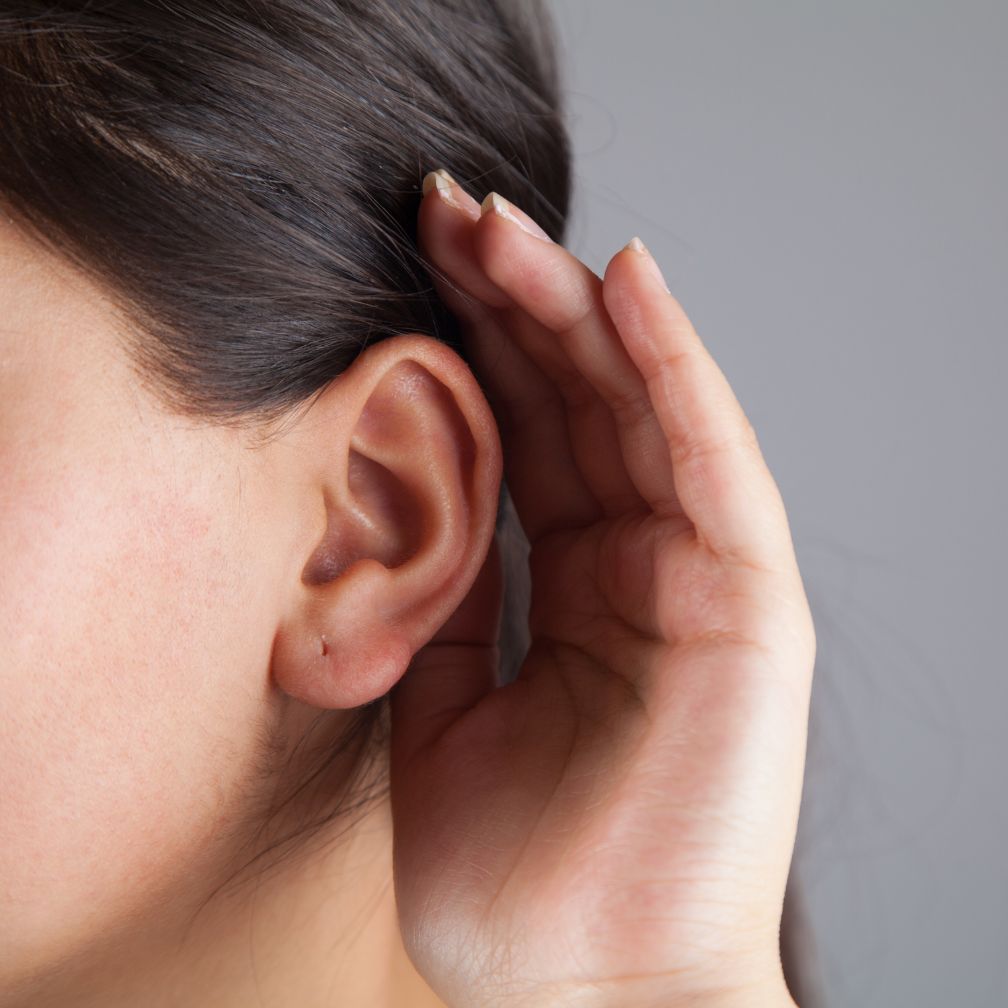
What causes that peculiar, unprompted sound that feels like ambient static or trapped air whispering in your ears? Why does this sound remain entirely imperceptible to the people around you? You are not inventing these symptoms; the sensation is entirely real.
Happily, you are likely not suffering from “phantom ring syndrome,” a modern behavioral manifestation where excessive cellular device users falsely perceive incoming calls, vibrations, or alerts.
In most clinical scenarios, this localized baseline static is a direct manifestation of tinnitus. And yes, what you’re hearing is real, and there are some things that can make tinnitus worse.
Even with this internal hum, your ears retain the capacity to process active human speech. It merely creates a frustrating sensation where a phantom frequency is constantly layered over every real-world sound.
Let’s look at where this white noise comes from, what it is, and what you may be able to do to reduce or get rid of it.
The Root of Tinnitus: Why Your Brain Tracks This Persistent Hum
In the vast majority of medical cases, this persistent internal static is a secondary symptom of sensorineural hearing loss. It is uniquely defined by a steady or variable acoustic signal that registers on top of everyday conversations. Depending on individual pathology, this subjective sound can remain mild enough to ignore during active hours. For others, however, the unremitting hum inside their skull feels utterly deafening, causing massive psychological distress and exhausting their patience.
Most patients frequently fail to find words that accurately convey their struggle, because this subjective sensory deficit defies the imagination of anyone who has never lived it.
You might find yourself wondering how a humming noise that sounds so incredibly vivid inside your skull can have no external reality. You may even question your own psychological stability, wondering if the condition is a form of auditory hallucination. How can it keep me from understanding those around me? Or completely sabotage your natural ability to fall into a deep, restorative sleep cycle?
Why Silence Paradoxically Amplifies Your Tinnitus Symptoms
You have likely observed that as your immediate surroundings become increasingly silent, your perception of the tinnitus scales up dramatically. This occurs because the phantom signal inside your pathways no longer encounters any external acoustic competition; for instance, the average adult maintains absolute silence in their bedroom during sleep hours. They operate without a television background feed, avoid running any radio streams, and eliminate all ambient audio. When you couple that absolute stillness with the reality that you are isolated with your own thoughts, your conscious attention locks directly onto the internal buzzing, creating a fixation cycle that makes the symptoms feel vastly more intense. Whether your condition presents as a faint hiss or a booming roar, a quiet nocturnal space creates a sensory vacuum that allows tinnitus to fully take control of your mind.
Is that weird sound like wind really tinnitus?
Describing this invisible impairment to a healthy individual is difficult enough, but navigating a conversation with a fellow tinnitus sufferer can introduce further confusion. Because their internal audio profile may feature entirely unique pitches or patterns compared to your own, you might mistakenly assume your specific condition has a different medical diagnosis.
However, statistically speaking, your symptoms are almost certainly a manifestation of the exact same condition. This is due to the reality that tinnitus is a highly polymorphic condition, expressing itself through a vast array of acoustic shapes depending on the individual. Individual experiences cover a broad acoustic spectrum, including regular perceptions of:
- The fuzzy roar of unchanneled television feedback
- A low-frequency, deep mechanical humming
- A sharp, highly irritating electrical buzzing
- A piercing, high-pitched metallic ringing
- An episodic, heavy thumping localized behind the eardrum
- A flat, continuous telephonic dial tone
With rare exceptions, this internal static is entirely subjective, meaning no outside observer can measure or perceive the sound. Therefore, asking a general practitioner to audibly detect your internal static is a medical impossibility. Instead, your regular physician must depend completely on your personal testimony to chart the condition.
This lack of objective testing can easily make a patient feel completely invalidated when consulting a general doctor who lacks specialized understanding of ear pathways.
Sharing his experience, a steelworker named Thomas noted: ‘When the internal ear static first became chronic, I sought help from my primary care provider. While the physician did agree that it matched the description of tinnitus, he completely underestimated how exhausting the background noise was to my mental health. He spoke about it like it wasn’t really there. He seemed to think I could just ignore it and really didn’t offer any solutions.”
Consulting a dedicated hearing professional effectively addresses this communication breakdown and unlocks access to advanced medical solutions. Frequently, the unique behavior of the phantom frequency serves as an anatomical roadmap, helping your doctor identify the perfect treatment.
Well, it’s really more of a whooshing sound in my ears
Accurately communicating your history is inherently challenging because the disorder utilizes an incredibly vast array of acoustic profiles across different patients. To specify, if you track a distinct whooshing, rushing, or heavy thumping rhythm that locks perfectly in sync with your cardiovascular heartbeat, you are likely presenting with a specialized variant known as pulsatile tinnitus.
Happily, clinical teams can resolve this whooshing variation more definitively than traditional ringing, given that its roots are usually tethered to physical circulatory issues like hypertension or carotid artery changes.
That whooshing sound can also be brought on by the flow of blood through narrow veins in your head, which is called a bruit. You must prioritize an immediate specialist workup for any pulsing noise, because in specific clinical contexts, that sound warns of a critical cerebrovascular risk that could lead to an unexpected, fatal stroke.
Sometimes hearing specialists can hear that buzzing noise, too
Tinnitus is a genuine – and quite annoying – condition. While traditional forms defy direct observation, rare presentations of vascular tinnitus enable a trained professional to utilize an amplified stethoscope to audibly track the internal murmur alongside you. But remember that this only occurs in cases of pulsatile tinnitus, which is far less common than the typical form of tinnitus.
How did I get tinnitus? What caused this humming noise in my head?
In most clinical case histories, the principal cause behind this internal static is a history of sustained exposure to hazardous noise levels. This pattern makes the condition an occupational hazard for musical performers, audio engineers, and workers across various trades who navigate intense decibel exposure shift after shift.
Several specific employment sectors generate high enough decibel baselines to directly induce permanent tinnitus, including:
- Factory Work – You’re around noisy machines all day long, so that’s got to do something with your senses, right? On top of the noise, factory work can be stressful, which is another factor that leads to tinnitus and, over time, can make it much worse. Do you work near a pneumatic riveter? They are some of the worst, clocking in at over 125 decibels, which is loud enough to cause immediate, permanent hearing loss, as well as severe cases of tinnitus.}
- Commercial Agriculture – Do not blame your symptoms on a standard rooster call. While a crowing rooster registers at a surprising 90 decibels, contemporary agricultural environments embed machinery that is vastly more destructive to human ears. Industrial tractors, heavy combine harvesters, automated cherry-pickers, and vacuum milking lines generate continuous, extreme noise pollution. Even routine maintenance tasks pose a threat; a standard workshop table saw easily exceeds 85 decibels, a level that permanently damages hearing cells over a long timeline of exposure.}
- Aviation Professionals – An active jet engine unleashes an incredible 140 decibels of sound energy, even when measured from a distance of 100 feet. Although commercial and private pilots routinely utilize specialized noise-attenuating headsets, operators of smaller aircraft sit in extreme proximity to these power plants. Standard consumer ear protection simply lacks the acoustic blocking power to completely nullify this deep structural vibration, meaning those hundreds of flight hours logged over a career slowly and steadily chip away at your baseline hearing.}
- Motorcycle Traffic Enforcement – You don’t need a badge to mount a motorcycle, but spending your entire working day atop a roaring engine exposes your ears to a toxic combination of motor exhaust and high-speed wind noise that induces chronic tinnitus. This identical sensory threat applies to operators of industrial snowmobiles and personal watercraft, though such vehicles are rarely part of a standard corporate job unless you work in an exceptionally adventurous field.}
- Nightlife and Hospitality Personnel – To fulfill your duties, you must accurately capture a patron’s drink order from across a crowded room. However, the ambient acoustics in modern nightclubs are set so high that discerning speech becomes a massive physical struggle, forcing your auditory cortex to work overtime against a wall of sound. If the venue hosts a live band or high-powered subwoofers, your inner ear suffers the exact same structural trauma experienced by the musicians on stage.}
In all of these instances, the tiny hairs inside the inner ear were damaged by constant exposure to loud noises. These specialized cells act as the body’s natural microphones, capturing frequencies and allowing your mind to comprehend speech and music. The critical issue is that these auditory hair cells cannot replicate or heal once they have been crushed by noise, resulting in lifelong hearing distortions and chronic tinnitus.
Identifying Common Triggers That Exacerbate Tinnitus Intensity
Beyond direct exposure to loud volumes, specific lifestyle choices and physiological conditions can cause the white noise in your head to worsen.
- Anxiety and Depression – Both of these emotional conditions establish a highly destructive psychosomatic cycle. As your daily anxiety or depressive symptoms flare up, your internal head static becomes significantly more intense, which naturally causes your mental health to deteriorate further.}
- Not Listening to Your Ears – Your ears become uncomfortable when sound is too loud. Don’t just grin and bear it – take care of your ears, because they’re the only ones you’ve got.}
- Systemic Hypertension – Allowing your blood pressure to remain elevated can actively restrict the critical microvascular oxygen supply reaching your delicate inner ear. This cardiovascular strain not only intensifies the perceived volume of the static instantly, but it also accelerates permanent cellular damage over a long timeline.}
- Smoking – That antsy feeling that you get in between cigarettes can worsen symptoms. While the answer may seem like you should have another cigarette, this is only making it worse the longer you smoke because of the impact smoking has on your cardiovascular system.}
- Specific Foods – Many individuals discover that daily caffeine intake and common sugar substitutes serve as direct agitators for their ear static. By keeping a meticulous food journal, you can cross-reference what you consume with the loudness of your symptoms to pinpoint exactly which items are worsening your condition.}
- Social Environments – Interacting with highly critical or anxiety-inducing people can elevate your heart rate and worsen your ear static by provoking stress and depressive patterns. It is vital to audit your close relationships to protect your health, determining whether these connections are worth the toll they take on your auditory peace. Ultimately, you cannot control how other people act, but you have complete control over how often you interact with them.}
- Pregnancy – Approximately one-third of women experience localized ear ringing during gestation, a phenomenon routinely triggered by shifting endocrine baselines and increased cardiovascular demands.}
- Cerumen Impaction – When old earwax migrates deep into the canal and impacts against the delicate eardrum, it can create a variety of unusual, scraping noises. Having that material safely extracted by a medical professional can completely stop the ear ringing on the spot.}
- Medications and Over-the-Counter Drugs – Certain prescription opiates, specialized antibiotics, high-dose diuretics, oncology drugs, and routine retail pain relievers possess well-known ototoxic properties that trigger or worsen tinnitus. You should actively discuss your medication list with an ear specialist and your general doctor to discover safer alternatives and mitigate these side effects.}
Are there any treatments for tinnitus that work?
Your first step should always involve addressing any concurrent medical concerns with a primary care provider. Certain medical profiles act as direct amplifiers for ear static, especially chronic panic disorders or uncontrolled hypertension.
Once any known medical condition has been treated, it’s time to look at other options. Proven management modalities encompass choices such as:
- Mindfulness Interventions – Incorporating daily meditation, restorative yoga, or alternative somatic relaxation exercises can drastically lower your neuro-chemical stress response. Unfortunately, modern educational systems rarely teach individuals how to self-regulate stress naturally without resorting to chemical substances. Despite this gap, thousands of patients actively pursue these holistic habits because clinical data confirms they successfully lower tinnitus awareness.}
- Acoustic Sound Masking – Deploying consistent ambient white noise in your bedroom can provide immediate, profound relief during your sleep cycle. However, you must absolutely avoid the dangerous practice of trying to overpower the ringing using high-volume earbuds or alternative loud audio sources. Taking that aggressive approach will inevitably compound your inner ear damage and worsen your symptoms over time.}
- Therapeutic Hearing Instruments – Contemporary assistive listening devices can be customized to actively mask or cancel out the internal static. Today’s hardware is equipped with cutting-edge software suites designed specifically for targeted tinnitus suppression. Your hearing care professional can program these microcomputers during your initial fitting to match and nullify the exact pitch vibrating inside your head.}
- Sound treatment, which trains your ear to ignore the sound. Sound therapists emit a sound into your ear that mimics the sound you hear. It teaches your brain to ignore the sound and focus on other sounds, like voices.}
- Cognitive Behavioral Therapy (CBT) – This gold-standard psychological methodology is heavily utilized by mental health experts to break destructive cognitive habits and anxiety loops. If you find yourself constantly obsessing over negative current events, stressful news, or external life variables outside your control, CBT provides a powerful framework. The therapy successfully retrains your brain to shift attention toward constructive thoughts and actionable personal choices, which drastically lowers your systemic cortisol and stress levels.}
Can Ambient Static Completely Eliminate Chronic Ear Ringing?
You’ve heard of fighting fire with fire, but what about fighting white noise with white noise? Data from a recent medical study in the UK confirmed that although white noise sound conditioners help patients manage their symptoms, maximum relief requires pairing the audio with targeted medical counseling.
The honest clinical reality is that a permanent cure for this condition has not been discovered, meaning our medical goals focus on deploying specialized treatments to help you control and cope with the condition.
Faced with these options, what is the most logical next step for a patient seeking relief? Your absolute highest priority should be to secure a professional hearing evaluation from an expert. An evaluation will provide clear data showing how severely the background hum is compromising your ability to follow along when family members speak. After that, you should discuss treatment options with your local hearing experts.
When White Noise Deceives Your Brain: The Science of Musical Ear Syndrome
Should you track complex orchestral arrangements or human voices within background noise, your symptoms fall outside the definition of traditional ear ringing. Furthermore, you can immediately set aside any panic or anxiety regarding your mental health; this experience is absolutely not a sign of schizophrenia or a severe psychiatric disorder. The scientific explanation for this sensory trick is a benign condition known as Musical Ear Syndrome, cross-sensory apophenia, or standard audio pareidolia. These illusions occur because your central nervous system relies heavily on advanced pattern recognition to constantly organize and decode ambiguous environmental noise. When exposed to a flat wall of static, your mind can miscalculate the input and overlay an expected acoustic memory onto the noise. For example, pareidolia is when you interpret those meaningless noises into something you’ve heard before, such as music. That said, if you hear detailed instruments or singing when the room around you is perfectly quiet, the symptom is classified as a distinct musical hallucination.