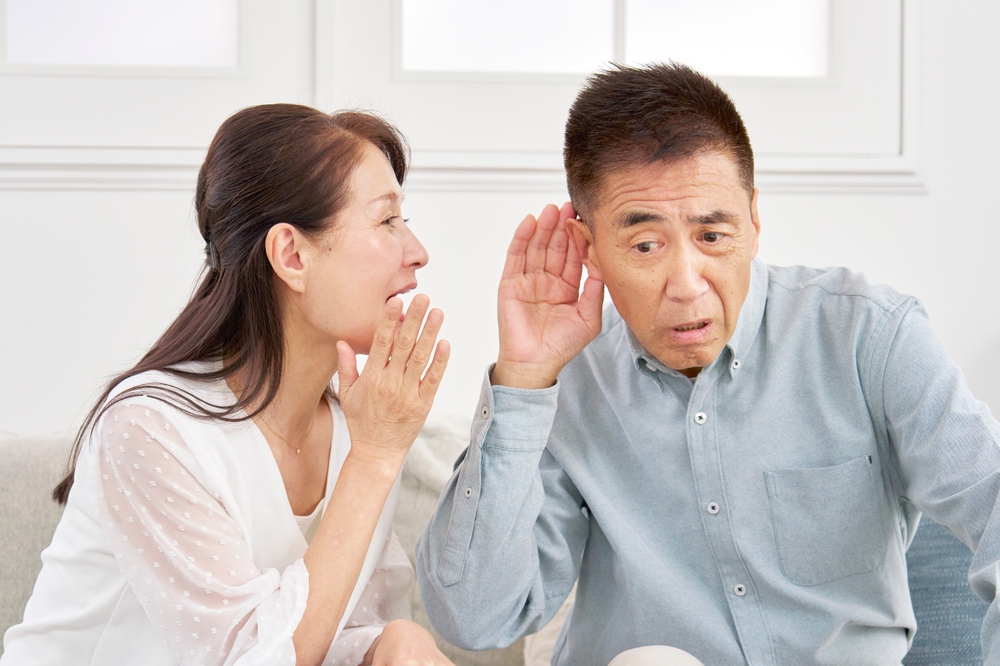
Prevalent myths regarding hearing loss frequently act as a barrier to necessary audiological treatment. Proactive management of hearing loss ensures the best possible outcomes for auditory preservation. Subscribing to auditory misinformation can hinder treatment timelines and compromise social connectivity.
Distinguishing audiological reality from fiction empowers patients to make data-driven healthcare choices. Let us explore seven widespread myths about hearing and the medical facts that provide clarity.
Myth One: Auditory Decline is Strictly Age-Related
While sensory shifts are frequent in seniors, hearing loss remains a cross-generational health concern. Hearing impairment in younger patients is frequently caused by environmental noise, genetic predisposition, or systemic illness.
Labeling hearing loss as a senior-only problem often causes younger patients to overlook critical early warning signs.
Myth: Hearing Perception Rules Out Impairment
Clinical hearing loss exists on a spectrum and rarely results in immediate total silence. Individuals with moderate deficits may hear volume but lack the clarity required for word discrimination. Audiology recognizes a diverse spectrum of impairment levels that fall short of total deafness.
You might notice difficulty following conversations in noisy environments, frequently asking others to repeat themselves, or feeling mentally exhausted after social interactions. These are common early signs of hearing changes that should not be ignored.
Myth: Auditory Decline is a Low-Stakes Issue
The impact of aural decline reaches into the cognitive and emotional well-being of the patient. Research has linked unmanaged hearing loss to social withdrawal, increased stress, cognitive strain, and even a higher risk of depression.
Proactive hearing care is a vital component of maintaining cognitive health and emotional stability.
4. Myth: Hearing Aids Make Your Hearing Worse
There is no clinical evidence to suggest that proper use of hearing aids speeds up auditory decline.
Properly programmed hearing aids pose zero risk of physical damage to the auditory system. Instead, they amplify sounds based on your hearing test results. Utilizing amplification prevents auditory deprivation, keeping the brain’s speech-processing centers active.
5. Myth: Hearing Aids Are Large and Obvious
Modern hearing technology has advanced significantly. Contemporary hearing aids deliver elite processing power within incredibly discreet housings. Sleek “Behind-the-Ear” and “In-the-Ear” designs ensure that modern hearing help is virtually undetectable.
Modern tech includes advanced directional microphones and wireless streaming directly to the patient’s ears.
Myth Six: The Fallacy of “Wait and See” for Mild Loss
Even a subtle auditory deficit can significantly increase the cognitive load required for daily conversation. Addressing loss early eliminates listening fatigue and protects against chronic mental exhaustion.
Maintaining communicative fluency is far easier when you address auditory shifts in their infancy.
7. Myth: Over-the-Counter Solutions Are Always Enough
While OTC options offer simple volume boosts, they cannot address the unique nuances of your ear health. A professional hearing evaluation ensures that treatment is tailored to your individual needs.
Personalized care makes a significant difference in both comfort and clarity.
Your Path to Clarity: Rejecting Common Hearing Fallacies
Any change in hearing can feel scary, which is why many people brush it off and delay seeking care. Relying on misinformation ensures that your auditory challenges will become more difficult to manage. You’ll find that a hearing screening is a comfortable and highly enlightening clinical experience.
If your ears feel “different,” scheduling a formal evaluation is the responsible next step for your health. Prompt action protects your ability to engage with the world and maintains your mental well-being.
If you are ready for a professional assessment, our specialists are standing by to assist. Contact our office today to schedule your personalized hearing consultation.