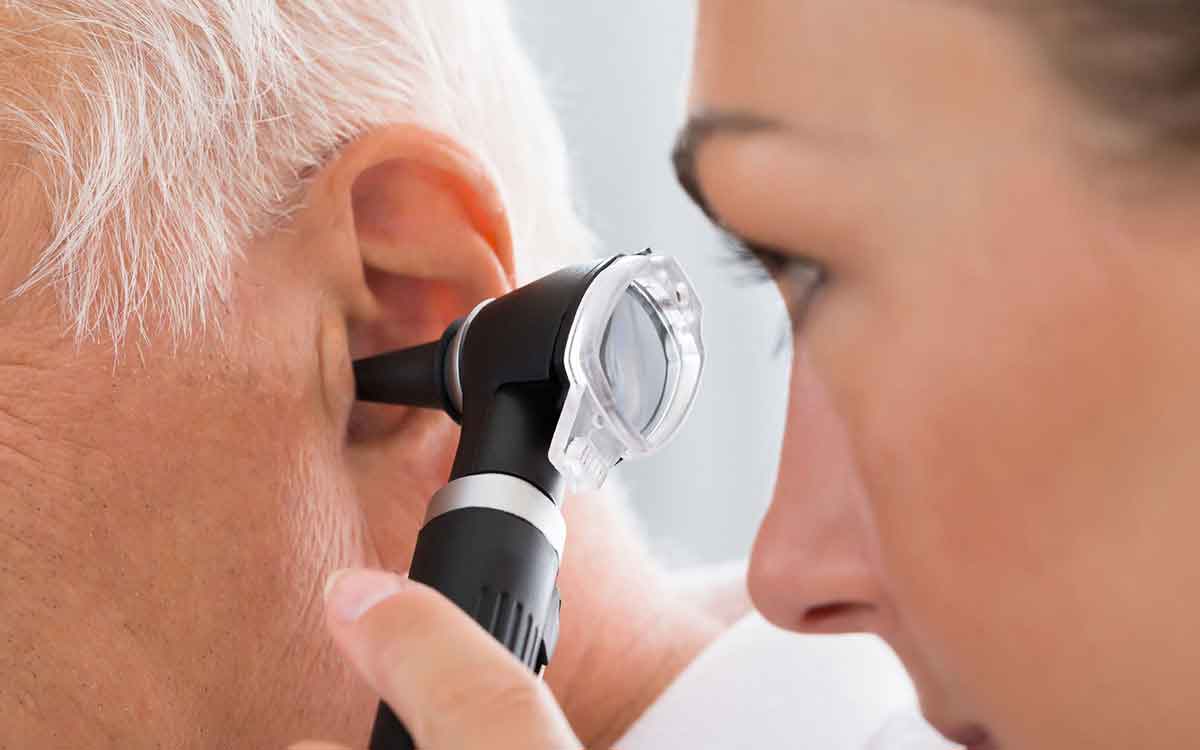
Auditory decline frequently advances as an incremental process, which often results in the condition being missed during its initial onset. It is common for people to adjust to hearing shifts by elevating device volume and steering clear of gatherings with significant background noise.
Arranging an initial screening can help maintain auditory function, improve communication, and safeguard overall well-being.
Common Symptoms of Early Hearing Loss
If you observe any of the following symptoms, it may be time to undergo an audiological screening.
- Reduced clarity during social interactions within high-noise areas.
- A regular need of asking for verbal repetitions during conversation.
- Muffled or unclear speech, making it difficult to distinguish specific sounds.
- Requiring higher volume levels for electronic devices beyond the comfort of family members.
- Reduced sensitivity to high-frequency acoustic signals such as bird songs or doorbells.
- The presence of tinnitus, characterized by ringing or buzzing in the ears.
- Feeling cognitively fatigued after conversations, resulting from the strain of auditory processing.
- Withdrawing from social situations because dialogue has become stressful.
Initial symptoms of auditory decline might manifest in unilateral or bilateral patterns and fluctuate in frequency initially. Because the brain adapts quickly, many people fail to recognize the extent of their subconscious adjustments until hearing loss becomes more noticeable.
Hearing Loss By The Numbers
Projection by the World Health Organization indicates that over 700 million individuals will need auditory rehabilitation by mid-century. Other significant statistics involve:
- By 2050, nearly 2.5 billion people are projected to experience some degree of hearing loss.
- More than five percent of the global community (roughly 430 million people) requires rehabilitation to manage significant hearing loss.
- In excess of 1 billion young adults face the threat of permanent hearing loss due to hazardous acoustic habits.
- Among those over the age of sixty, over 25% have disabling hearing loss.
The Value of Early Hearing Loss Detection
Neglecting auditory shifts may lead to broader physiological impacts that go unnoticed.
Data confirms a link between untreated hearing loss and risks involving cognitive decline and diminished balance.
Identifying symptoms early on ensures optimal results and varied therapeutic choices.
Audiological testing distinguishes between noise damage, earwax buildup, or other health conditions.
Specific auditory fluctuations are transient and can be addressed via clinical treatment.
In addition, employing safety strategies or digital hearing aids at the onset can slow the advancement of hearing loss.
Recognizing the Need for Audiology Services
An audiological visit is suggested if you experience:
- Auditory symptoms persist for more than a few weeks.
- Auditory trouble begins to influence professional tasks or personal routines.
- You experience sudden hearing loss, dizziness, or chronic ear ringing (which requires immediate attention).
Hearing evaluations are painless and supply essential data regarding your auditory wellness.
Reach out to our hearing clinic today if you believe you would find value in a hearing screening.
Common Questions About Early-Stage Hearing Loss
Question: Does hearing loss only occur with aging?
Answer: No. While common in seniors, hearing impairment can be caused by medications, loud noise, infections, or hereditary conditions.
Q: Can hearing loss be reversed?
A: In specific instances involving earwax or infection, hearing may be restored. While other forms are irreversible, they can usually be managed with professional treatment or hearing technology.
Q: How often should hearing be checked?
A: A baseline screening is advised by age 50, or sooner if clinical symptoms manifest.