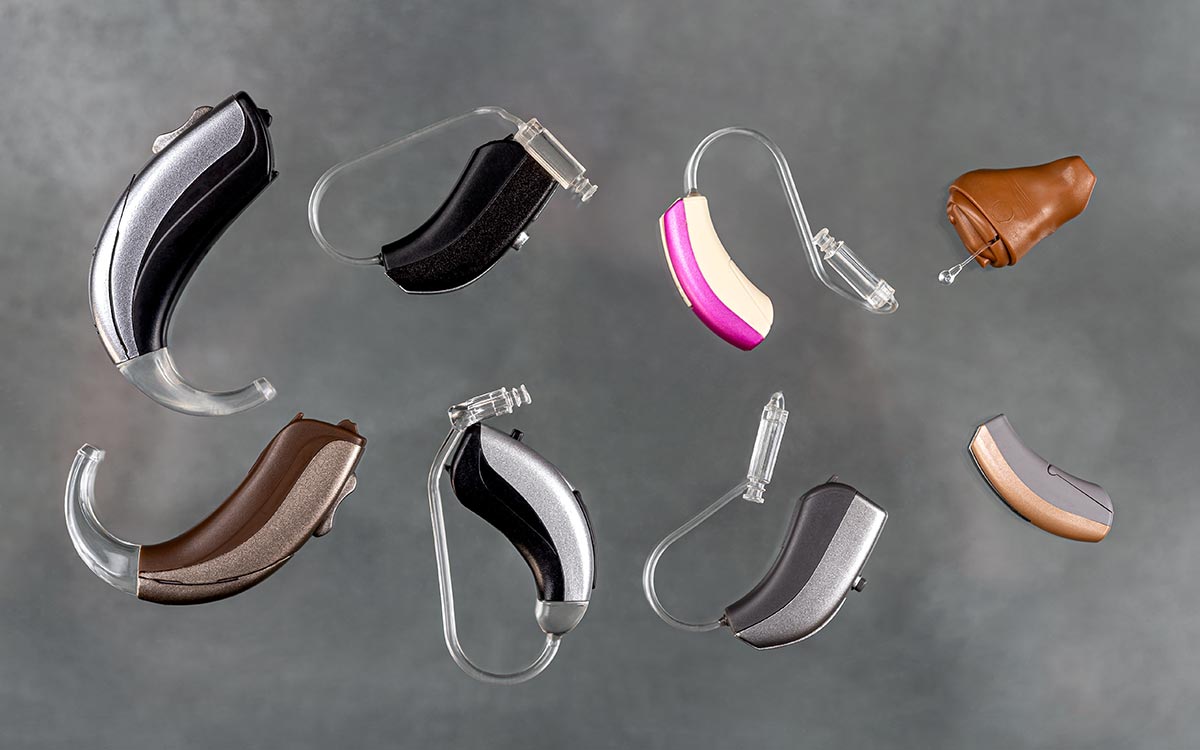
The total volume of hearing aid designs and technology levels on the market today can make the selection process feel complicated. Rest assured that there is a hearing device tailored to every lifestyle and degree of impairment. It’s just a matter of finding it!
By learning about the distinctions between various hearing aid models, you can move forward with greater confidence and knowledge. We are planning to study the primary styles available today to help you understand what sets each option apart.
The ITC (In-the-Canal) Style Explained
The Meaning:
These hearing aids are placed partly inside the canal, making them visible only slightly from the outside.
Common Benefits:
- Provides an understated appearance compared to traditional styles
- Specifically contoured to the wearer’s ear for an optimal fit
- Works effectively for people experiencing mild hearing challenges
Because they provide both discretion and useful features, ITC models are an excellent pick for those new to hearing technology.
Invisible-in-Canal (IIC) Hearing Aids
The Idea:
As the most compact custom selection, IIC aids represent the smallest available style. This style fits deep in the ear for a completely covert appearance.
Primary Incentives:
- Highest level of invisibility for the wearer
- Microphone placement assists in mimicking the ear’s natural sound collection
- An ultra-light build makes them easy to wear all day
Because of their small stature, IIC devices typically work best for mild to moderate hearing loss and for those who prefer an almost invisible option.
Full and Partial ITE Varieties
Product Information:
These models fill either the full or bottom half of the outer ear bowl. They are custom-made to fit the contours of your ear.
Why people choose them:
- Increased size allows for more features and longer battery life
- Easier to handle for those with dexterity challenges
- A versatile choice that can address even significant levels of hearing loss
Many people prefer ITE devices because they provide a streamlined, self-contained design that doesn’t hook over the ear.
BTE (Behind-the-Ear) Basics
What they represent:
An external hearing aid is worn outside the ear for an optimal fit. These models use an individualized earmold or tubing to direct sound inside.
Common Reasons:
- Regarded as one of the most dependable and robust designs available
- Can be programmed to help users with everything from mild to profound loss
- Big enough to include sophisticated software and modern rechargeable technology
For those who prioritize a dependable device that is easy to manage and provides plenty of volume, BTE is an excellent choice.
Modern RIC (Receiver-in-Canal) Models
What they represent:
In an RIC model, the speaker is separated from the main housing and placed inside the canal via a thin wire.
Market Appeal:
- Provides an exceptionally crisp and lifelike listening experience
- Users appreciate the slim design and comfortable fit for all-day use
- Excellent for multiple levels of hearing loss
The combination of style and high-end functionality renders RIC models an ideal choice in the modern market.
Extended-Wear Device Facts
Overview:
Extended-wear models are semi-permanent units that an expert fits into the ear for an interval of several weeks.
Lifestyle Advantages:
- Perfect for wearers who want to bypass the routine of handling hearing aids daily
- Sitting deep in the ear makes them completely hidden from view
- Engineered to be worn during everyday activities, including sleeping and exercising
These models are the best option for a low-maintenance, seamless hearing experience.
Smart Hearing Aids with Wireless
Tech Details:
These are modern devices fitted with radio technology to sync with your personal electronics and televisions.
Digital Advantages:
- Send calls, music, and audio directly to the hearing aids
- Adjust settings through an app
- Perfectly matched for the requirements of an advanced, connected individual
You can locate Bluetooth capabilities built into an array of form factors, from RIC and BTE to custom ITC designs.
Understanding Middle-Ear Implant Technology
Technical Description:
Middle-ear implants are specialized tools that employ mechanical vibration to enhance hearing via the middle ear.
Medical Motivations:
- Provides a solution for individuals with anatomy that prevents the use of conventional aids
- Pleasant option for chronic ear issues related to traditional devices
These devices require an exhaustive medical review by an ear, nose, and throat expert.
Selecting Your Ideal Auditory Solution
Every hearing aid style provides its own advantages, and the right option depends on your level of hearing loss or tinnitus, comfort preferences, lifestyle, and cosmetic considerations. By consulting an expert, you can investigate various models and see which one feels most natural to you.
Begin your journey to clearer sound by setting up a hearing test now. This simple action is the foundation for improved hearing and better connections with those around you.
Sources:
https://www.mayoclinic.org/diseases-conditions/hearing-loss/in-depth/hearing-aids/art-
20044116
https://www.hearinglife.com/hearing-aids/types
https://www.nidcd.nih.gov/health/hearing-aids